2026-08-21 · Mike Brennan
Why Older Lake County Homes Need GFCI Outlets Near Water
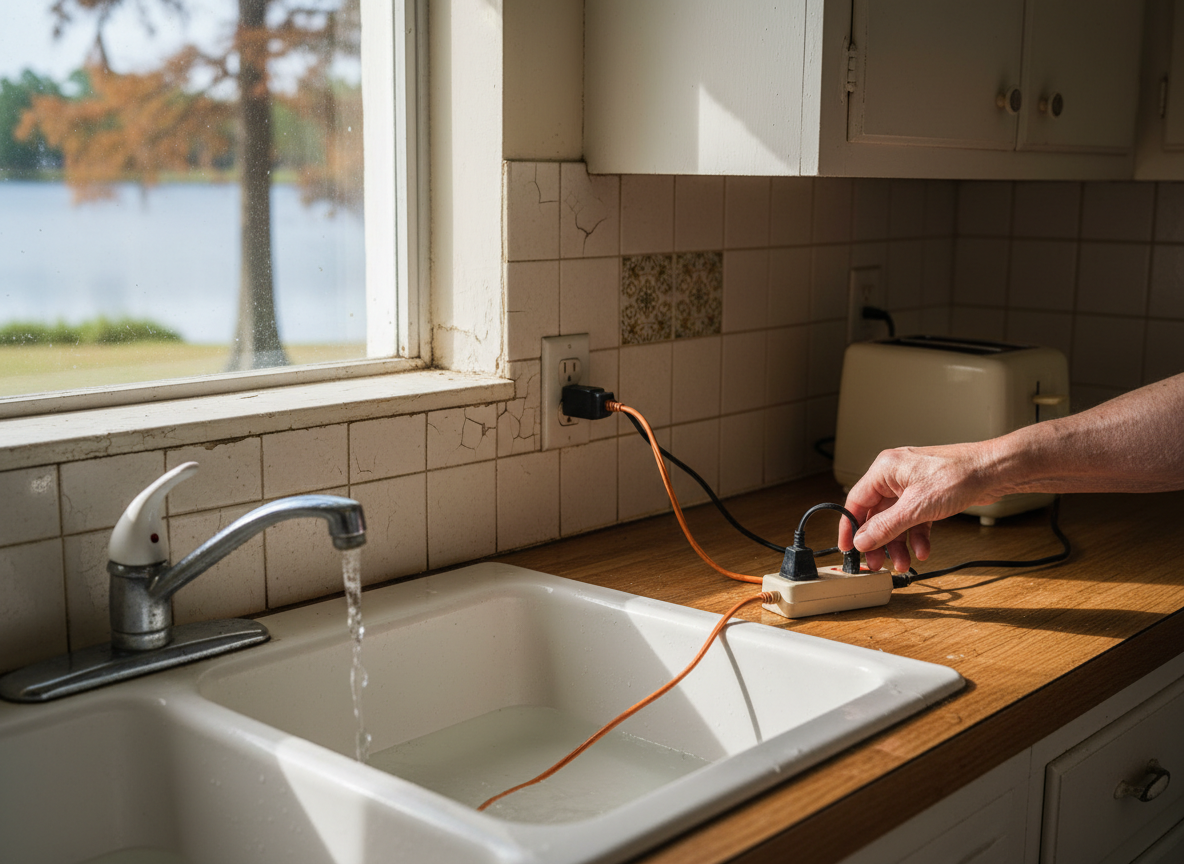
Older Lake County homes built before the early 1990s typically lack GFCI outlets near water, leaving residents exposed to electrical shock in bathrooms, kitchens, and outdoor areas exposed to moisture from nearby lakes and frequent summer rains.
Electrical Codes and Older Homes in Lake County
Homes constructed in the Clermont Historic District and Lake Highlands before widespread GFCI requirements often feature original two-prong receptacles or ungrounded wiring. These setups fail to interrupt current during ground faults caused by water contact. Lake County's housing stock from the 1960s through 1980s commonly includes aluminum wiring and knob-and-tube remnants that degrade faster in the humid subtropical climate with hot summers and mild winters. Residents in Downtown Clermont encounter similar issues when renovating near Lake Louisa State Park or Clermont Waterfront Park, where soil moisture migrates into foundations and accelerates corrosion on outlets. Upgrading involves replacing circuits to meet current standards without altering the home's historic character.
Protection Near Water Sources
GFCI outlets detect imbalances as small as 5 milliamps and cut power within 1/40th of a second. In Lake County kitchens and bathrooms, this prevents shocks from sinks, tubs, or countertop spills common during humid summers. Outdoor receptacles near patios in Lake Highlands also require protection because of dew, irrigation runoff, and proximity to lakes. Without GFCIs, a single fault from a hair dryer or appliance can energize metal fixtures. Installation typically targets locations within 6 feet of water edges, including laundry rooms and garages where tools meet damp floors. These devices add a visible test button that homeowners can press monthly to verify function.
Impact of Local Climate and Terrain
Clermont's humid subtropical conditions with high summer humidity and occasional winter temperature drops increase condensation inside walls, which corrodes standard outlets faster than in drier regions like nearby Leesburg or Winter Garden. Soil in Lake Highlands holds more moisture due to the area's rolling terrain and lake proximity, allowing water to wick into slab foundations and affect ground paths. This environment makes older circuits in the Clermont Historic District prone to nuisance tripping or outright failure during storms. Electricians often route new GFCI lines through existing panels to avoid disturbing plaster walls while ensuring each wet zone has dedicated protection rated for damp locations.
Practical Steps for Homeowners
Start by identifying all receptacles within 6 feet of sinks, tubs, or exterior doors in pre-1990 homes. Test existing outlets with a plug-in tester that confirms ground fault response. Schedule an inspection during milder winter months when demand is lower. For whole-home consistency, pair GFCI upgrades with panel assessments to handle added load from modern appliances. Homeowners in Downtown Clermont can reference local storm preparation resources for timing work around peak humidity seasons. This targeted approach reduces shock incidents without requiring full rewiring in most Lake County properties.